
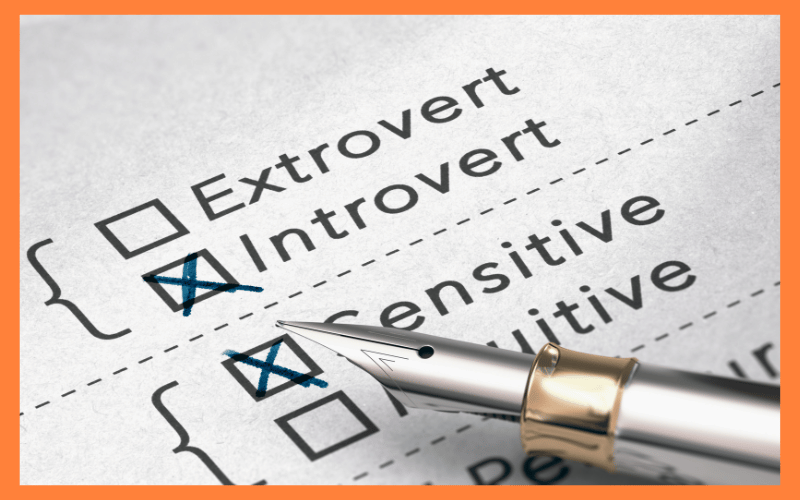
TL;DR – What is a personality test
A personality test is a tool that helps you understand your work style, strengths, and behavioral patterns. For job seekers and career professionals in Denmark, personality insights can improve your CV, boost interview performance, and guide smarter career decisions.
By identifying how you think, collaborate, and handle pressure, a personality test helps you align with the right job, company culture, and work environment, especially important in the Danish job market, where cultural fit and team dynamics matter.
Whether you’re actively job hunting or planning your next career move, personality awareness is a professional advantage. Used well, it can help you move from guessing what works to confidently building a career that fits who you are.
Curious how to use personality insights in your job search? Book a free discovery call and let’s talk.
What is a personality test and how can it help you?

When you’re navigating a job search, preparing for a career change, or simply aiming to better understand yourself in a professional setting, a personality test can be an invaluable tool. These assessments provide insight into how you think, communicate, solve problems, and engage with the world around you. While they are often associated with psychology or self-help, personality tests have a very real and practical application in career development. Used strategically, they can help you make smarter decisions, identify roles that align with your natural tendencies, and ultimately present yourself more effectively to employers.
This article explores what personality tests are, how they work, and how you can use their insights to advance your career.
Understanding the core of a personality test
At its most basic level, a personality test is designed to measure the consistent patterns in how you behave, think, and feel. These patterns make up your personality, the stable traits that influence how you interact with the world. A well-designed personality test offers a structured way to reflect on your preferences and tendencies, and to begin understanding what makes you tick.
Rather than labeling you in rigid categories, many modern personality tests place you on spectrums. For example, instead of labeling you as an introvert or an extrovert, you might discover that you lean slightly more toward introversion but still enjoy certain forms of social interaction. These nuances provide a more accurate and helpful picture of how you function in various situations, especially in the workplace.
How personality tests work
Most personality tests follow a similar structure: you answer a series of questions or statements that ask you to assess how much you agree or disagree, or how likely you are to behave in certain ways. These responses are then analyzed using a theoretical model, which groups your responses into patterns or types.
Some tests rely on established psychological models, such as the Big Five, which evaluates openness, conscientiousness, extraversion, agreeableness, and emotional stability. Others focus on how you behave in certain work situations or under pressure. The result is a profile that outlines key personality traits, behavioral tendencies, and often, areas for growth.
More advanced assessments also provide insight into how your personality shifts in times of stress or leadership, helping you build greater self-awareness and resilience over time. This makes them particularly relevant for career development, as they mirror many of the interpersonal dynamics and challenges you encounter at work.

The link between personality and career success
Your personality has a direct influence on how you experience your job, relate to your colleagues, and make career decisions. For example, if you are naturally methodical and detail-oriented, you might find fulfillment in roles that require accuracy, structure, and systems thinking. On the other hand, if you thrive on energy and collaboration, a people-focused or client-facing role may be more suitable.
By understanding your own traits, you can begin to make more intentional career choices. You can better evaluate whether a company culture aligns with your values, or whether a specific job will play to your strengths or drain your energy. This clarity often leads to higher job satisfaction, stronger performance, and reduced risk of burnout.
In a Danish job market context, this becomes especially relevant. Employers in Denmark often place a strong emphasis on cultural fit, team dynamics, and informal leadership potential. Personality insights help you not only assess whether you’ll fit in, but also communicate that fit clearly throughout the application and interview process.
Applying personality insights to your job search
One of the most practical uses of a personality test is to sharpen your job search strategy. When you know your strengths and preferences, you can craft stronger CVs and cover letters that go beyond listing tasks and responsibilities. Instead, you can speak to the way you work, what you bring to a team, and how you approach challenges.
This doesn’t mean reshaping your personality to fit a role. In fact, the opposite is true. The more you understand yourself, the more clearly you can position your unique value. When writing your LinkedIn summary or preparing for an interview, you can explain not just what you did, but how and why you did it that way, and how that approach benefits your employer.
For job seekers in Denmark, where networking and informal communication play such a big role, personality awareness can also guide how you show up in coffee meetings or professional conversations. Knowing your natural communication style helps you engage with more confidence and authenticity.
Using personality tests for career growth, not just job searching
Personality tests aren’t only helpful when you’re between jobs. They can also support long-term career development. For professionals who are already employed, personality insights can help clarify whether a promotion, a new role, or even a lateral shift makes sense. They can reveal blind spots that might be holding you back or strengths you’re underutilizing.
Understanding how you respond to feedback, conflict, or stress can also be a powerful tool for developing leadership skills. Many personality frameworks include information on how your personality adapts or struggles in times of change, which is especially valuable in fast-moving workplaces or during transitions.
Additionally, for those working in multicultural environments, as many internationals in Denmark are, understanding both your own personality and how it differs from others’ can reduce miscommunication and foster stronger team dynamics.

From insight to action: making personality tests useful
Taking a personality test is only the first step. The real value comes from reflecting on the results and applying them intentionally. Start by asking yourself:
-
Does this profile resonate with me?
-
Which parts of this description show up in my current work?
-
What strengths am I using well? Which ones am I not?
-
Are there any blind spots I should be aware of?
Journaling, coaching, and career conversations can help you turn these insights into action. Over time, many professionals find that this kind of reflection strengthens their decision-making, confidence, and ability to advocate for themselves at work.
For those seeking a more hands-on application, tools like the TT38 Talent Test (used in the Elevate Program and my 1:1 coaching) offer a structured way to map talents to real-life career strategies.
Self-awareness as a career advantage

In today’s job market, especially in Denmark, where trust, collaboration, and autonomy are highly valued, self-awareness is more than a personal trait, it’s a professional asset. When you know your personality and how it shows up at work, you’re better equipped to choose the right opportunities, work with others effectively, and grow into roles that truly suit you.
Personality testing is one way to build that self-awareness. While it’s not a crystal ball, it can act as a mirror that reflects back your patterns and preferences, giving you language and clarity around things you may have felt but not yet articulated.
For job seekers and career advancers alike, that clarity can make the difference between simply applying to jobs—and building a career that fits who you really are.
Ready to use personality insights in your career?
If you’re curious about how personality insights could support your career journey, whether you’re currently job searching or planning your next step, I’d love to help.
In a free discovery call, we can explore what’s currently working, where you feel stuck, and whether a talent-based assessment like the TT38 Talent Test might be the right next step for you.
Book your free discovery call today, and let’s take your career growth from reactive to intentional, grounded in who you truly are.